What is Link Indexing and Why Is It Essential for SEO Success
Link indexing, also known as backlink indexing, is the process by which search engines discover and add new backlinks to their search index. It’s a crucial part of search engine optimization (SEO) because it helps search engines determine the relevance and authority of a web page.
When backlinks are indexed, it signals to search engines that a web page is important, and they should consider it for ranking purposes.
Indexed backlinks can improve a website’s visibility and ranking in search engine results, making it easier for potential visitors to find your site.
For faster backlink indexing, tools like Omega Indexer can simplify the process by helping search engines discover your backlinks more efficiently.
Importance of Link Indexing in SEO
Link indexing is an important aspect of Search Engine Optimization (SEO) that affects a website’s visibility and ranking on search engines.
When a website accumulates a substantial number of indexed backlinks, it signals to search engines that the site is authoritative, trustworthy, and relevant to users’ search queries.
Indexed backlinks are links from other websites that have been crawled and indexed by search engines like Google. These links are invaluable because they demonstrate that other sites find your content worthy of linking to, thereby boosting your website’s credibility and authority.
The importance of link indexing in SEO can be summarized as follows:
- Improved search engine rankings: Indexed backlinks can dramatically enhance a website’s ranking on search engines, particularly if the links originate from high-authority and relevant websites.
- Increased website visibility: A high number of indexed backlinks elevates the likelihood of your website appearing in search engine results pages (SERPs) for pertinent search queries.
- Enhanced credibility and authority: Indexed backlinks from reputable websites bolster your site’s credibility and authority, fostering increased trust and confidence from both search engines and users.
- Better search engine crawling and indexing: Indexed backlinks assist search engines in discovering and crawling new web pages, leading to faster indexing and improved search engine rankings.
To improve link indexing, website owners can use several techniques, such as:
- Building high-quality backlinks: Prioritize creating high-quality backlinks from authoritative and relevant websites.
- Using the Google Indexing API: Using the Google Indexing API to notify Google of new or updated web pages, facilitating better indexing and crawling.
- Optimizing website structure and content: Make sure your website’s structure and content are optimized for search engines, enhancing crawling and indexing efficiency.
- Monitoring and maintaining backlinks: Regularly monitor and maintain your backlinks to ensure they remain indexed and relevant.
By focusing on building high-quality backlinks, taking advantage of the Google Indexing API, optimizing website structure and content, and diligently monitoring backlinks, website owners can enhance link indexing and improve their site’s search engine rankings.
How Search Engines Index Links
 Search engines like Google use algorithms to crawl and index web pages, including the links on those pages.
The frequency of a Google crawl depends on various factors, including the site’s relevance, authority, and content quality.
Google Search Console provides insights into how Google crawls and indexes a website.
Factors Affecting Link Indexing
The quality and relevance of the linking site, along with the presence of external links, can affect how quickly backlinks are indexed.
The authority and trustworthiness of the linking site can also impact link indexing.
Technical factors, such as website speed and mobile responsiveness, can also influence link indexing.
Common Link Indexing Issues
- Low-quality or spammy backlinks can hinder getting backlinks indexed by search engines.
- Broken or incorrect links can prevent search engines from indexing backlinks.
- Over-optimization of anchor text can also lead to link indexing issues.
Diagnosing and Fixing Link Indexing Issues with Google Search Console
- Use your Google Search Console account to identify indexing issues and errors.
- Check the URL Inspection Tool to see if Google has crawled and indexed a specific page.
- Use the Google Indexing API to notify Google of changes to a website.
Advanced Link Indexing Strategies for Search Engine Optimization
- Building high-quality backlinks from authoritative sites can improve link indexing.
- Using the Google Indexing API can help notify Google of new backlinks.
- Leveraging social media platforms can also help index backlinks faster.
- Additionally, utilizing protocols like IndexNow can enhance the efficiency of indexing across multiple search engines, ensuring that changes made to content are quickly recognized and reflected in search results by Google and other search engines.
Best Practices for Link Indexing
Link indexing is a critical part of SEO that directly impacts your website’s visibility and ranking. For link indexing to be effective, you need to follow best practices that help search engines discover, crawl, and evaluate your website’s links efficiently.
This includes both internal links (links within your site) and external backlinks (links from other websites). Below are some of the best practices you can follow to ensure proper link indexing.
Focus on Building High-Quality, Relevant Backlinks
Backlinks, or external links, play an important role in your site’s SEO. These are links from other websites pointing to your site. However, not all backlinks are created equal. Search engines like Google evaluate the quality of backlinks based on several factors:
- Authority of the Linking Site: Links from authoritative, reputable websites are much more valuable than links from low-quality or spammy websites. A backlink from a trusted website signals to search engines that your content is valuable.
- Relevance: It’s not just the authority of the linking site that matters. The relevance of the content linking to your site is also important. For example, a backlink from a tech blog is more valuable for a tech-related website than one from a completely unrelated industry.
- Anchor Text: The anchor text (the clickable part of the link) should be relevant to the content on your page. Using descriptive and keyword-rich anchor text helps search engines understand what the linked page is about.
- Diversity: It’s important to get backlinks from a variety of sources. A mix of link types, such as guest posts, editorial links, social media mentions, and forum posts, helps build a natural backlink profile.
- Avoid Toxic Backlinks: Links from spammy, low-quality, or irrelevant sites can harm your SEO. Always monitor your backlink profile and disavow harmful links using tools like Google Search Console.
Focusing on building high-quality, relevant backlinks should be an ongoing effort.
Backlinks are an indication to search engines of the authority and credibility of your website. The more high-quality backlinks you have, the higher your chances of ranking well in search engine results.
Use the URL Inspection Tool to Check If Google Has Indexed a Specific Page
Google’s URL Inspection Tool is an invaluable resource for checking whether specific pages on your website have been indexed. This tool is available in Google Search Console, and it allows you to inspect individual URLs to check their index status.
Here’s how you can use it effectively:
- Enter the URL: Type the specific page’s URL in the URL Inspection Tool.
- Check Index Status: The tool will tell you whether the page has been indexed by Google or not. If the page is not indexed, it will provide detailed reasons why, such as noindex tags, crawl errors, or blocked resources.
- Request Indexing: If the page hasn’t been indexed, you can request Google to index it directly through the tool. This is helpful if you’ve made updates to a page or published new content that you want to be indexed quickly.
Using the URL Inspection Tool regularly helps you stay on top of indexing issues, ensuring that important pages on your site are discovered and ranked by Google. If a page isn’t indexed, fixing the underlying issue can help increase your site’s visibility.
Monitor Backlinks Regularly to Identify and Fix Indexing Issues
Backlink monitoring is an essential part of any link-building strategy. Regularly tracking your backlinks allows you to spot potential indexing issues and fix them before they negatively impact your SEO. Here’s why it’s important to keep an eye on your backlinks:
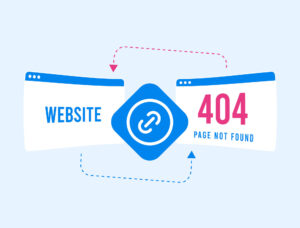
- Detect Broken Links: Over time, some of your backlinks may become broken or lead to pages that no longer exist. Broken links hurt your website’s authority and user experience. Use tools like Ahrefs, SEMrush, or Google Search Console to regularly check for broken links.
- Track Link Value: Not all backlinks are created equal. Regularly monitoring your backlink profile helps you identify high-value backlinks that are helping your site rank. If you notice links from authoritative sources are no longer indexed, you may need to reach out to those sites and request they update the link.
- Fix NoFollow Links: While nofollow links don’t pass SEO value, they can still be useful for driving traffic. However, if important pages have nofollow links mistakenly applied, it may affect their ability to be indexed. Regular monitoring helps identify and fix these issues.
- Disavow Toxic Links: If you’ve built backlinks from sites that are deemed spammy or toxic, search engines may penalize your website. Regularly monitor your backlink profile and disavow any harmful links to prevent penalties from Google.
- Assess Link Velocity: Search engines assess how quickly backlinks are built over time. A sudden spike in backlinks may seem unnatural and could raise red flags for search engines. Aim for a consistent, natural growth pattern in your backlink profile.
By monitoring your backlinks regularly, you can quickly identify and resolve indexing issues that may be hindering your SEO efforts.
Tools like Google Search Console and third-party SEO software make it easier to track backlinks and ensure they are contributing positively to your site’s rankings.
Measuring Link Indexing Success with Indexed Pages
- Track the number of indexed pages and backlinks using Google Search Console.
- Monitor changes in search engine rankings and traffic.
- Use SEO tools to analyze the quality and relevance of backlinks.
Boost Your SEO Strategy with Faster Link Indexing
Google’s index is a critical component of SEO that can improve a website’s visibility and ranking. By understanding how search engines index links and following best practices, website owners can improve their link indexing and boost their SEO strategy.
For faster backlink indexing, use Omega Indexer to help your backlinks get discovered quickly by search engines. Don’t let your SEO efforts go unnoticed—Omega Indexer speeds up your link indexing process.
Sign up today